
Want to bookmark your favourite articles and stories to read or reference later? Start your Independent Membership today.
Already a member?
Log in
Hackers have stolen $6.3bn (£4.7bn) from Binance, the world’s biggest cryptocurrency exchange, in what analysts view as the largest crypto heist in history. The attack is likely to force investors to rethink the risks of digital assets.
According to US blockchain analysis firms TRM Labs and Chainalysis, North Korea was behind the raid. TRM Labs said the attackers targeted Binance wallets across 10 blockchains, siphoning most funds within 20 minutes.
Binance said it collaborated with partners to freeze affected assets, locating around $3bn so far. While omitting the status of the remaining $3.3bn, co-founder Yi He said the exchange would cover “all hacking losses”.
Co-founder Changpeng Zhao, who no longer runs the company, said in a post on X that the incident “looked like a hack”.
Binance stated deposits were unaffected, expecting withdrawals to resume within 48 hours. TRM said the breach mirrored earlier North Korean heists, including a 2025 hack on Bybit linked by the FBI to Pyongyang.
“We make this judgement with high confidence,” TRM said.
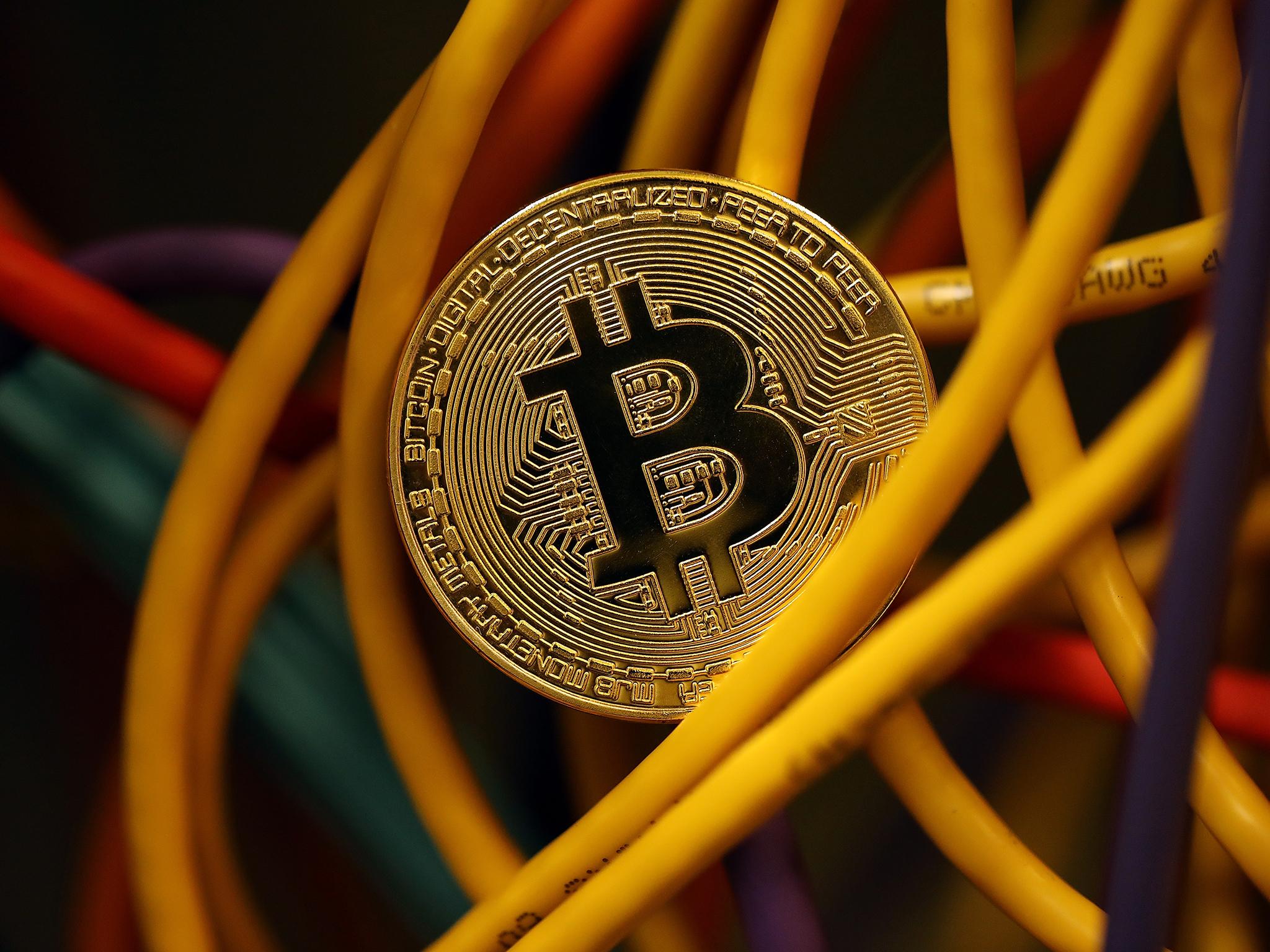
North Korea’s mission in Geneva and its embassy in China did not immediately respond to requests for comment.
The incident could be the world’s biggest crypto heist, according to analytics firm Chainalysis and other industry experts.
“It’s the biggest hack in history,” said Aravind Srinivasan, head of large crypto market maker GSR’s systematic OTC business.
Markets reacted immediately in Asian trading on Friday.

The ideal summer spot? Away from scams.
Get All-in-One Protection for Your Digital Life
ADVERTISEMENT
ADVERTISEMENT
Bitcoin dropped more than 3 per cent to a six-week low of $76,368 to extend a slump from highs of a year ago of around $110,000. Bitcoin is down around 11 per cent across the 2026 calendar year, though it has pulled up from summer after trading at around the $60-65,000 range across June and July.
Elsewhere, ether fell more than 3 per cent to a two-month low of $2,178. BNB, a token originally launched as Binance Coin that can be used to pay Binance fees, was down 5 per cent over the past 24 hours at $709.70, according to market aggregator CoinGecko.
Shares in crypto exchange Coinbase Global slid 4.8 per cent while those of bitcoin buyer Strategy fell nearly 6 per cent in extended US trading.
Previously in 2025, the hack on the Bybit exchange saw bitcoin’s price drop around 4.5 per cent on the day, with tokens worth $1.5bn stolen on that occasion.

An initial investigation suggested the breach may have started with a hacked laptop belonging to one of its engineers, which let an attacker gain access to one of its systems and make unauthorised withdrawals, Binance said.
“The incident stems from multiple factors. Our security team is tracing the full attack path through the compromised computer, which may be the entry point of the incident,” Binance said.
Beyond the potential loss of assets, the security breach was likely to have wider ramifications for crypto, which had already been under pressure due to higher US interest rates and softer demand from exchange-traded fund buyers, analysts said.
Cristiano Ventricelli, vice president for digital assets at Moody’s Ratings, said the incident highlighted how bigger exchanges could lead to more total losses, simply by virtue of greater accounts being clustered together.
“The incident underscores the heightened cybersecurity risks associated with hot wallets, a component already exposed by the 2025 hack on Bybit cryptocurrency exchange. It also illustrates the risk concentration inherent in large, centralised intermediaries,” Mr Ventricelli said.
“The broader credit and industry implications will depend on the ultimate losses, affected counterparties, asset recovery, and importantly, whether the incident leads to wider disruption or loss of confidence across the digital-asset ecosystem.”
One analyst believes the greater risk lies in smaller exchanges that may not have the financial backing to cover losses, or the security in place to deter hacks.
“It’s becoming very hard to counter hacks as AI can find vulnerabilities faster than you can fix them,” said Bernardo Brites, CEO of Trace Finance, a payments and stablecoin infrastructure company.
“My view is that users will move away from smaller and medium-sized exchanges, (it is) becoming too risky to park your money somewhere that couldn’t cover a hack of meaningful size.”
Binance, which allows users to buy, sell and trade digital assets, has 335 million registered users globally and had about $162.8bn in assets under custody as of the exchange’s 2025 annual report.
“User funds remain safe,” Binance said in a statement.

Binance runs a secure asset fund for users, which is a reserve held entirely in bitcoin that is intended to protect user assets in cases of security breaches, according to its website.
“It’s becoming very hard to counter hacks as AI can find vulnerabilities faster than you can fix them,” said Bernardo Brites, CEO of Trace Finance, a payments and stablecoin infrastructure company.
“My view is that users will move away from smaller and medium-sized exchanges, (it is) becoming too risky to park your money somewhere that couldn’t cover a hack of meaningful size.”
Stablecoin issuer Tether said it had frozen nearly $1.57bn in assets linked to the incident, while Circle froze more than $800m.
World Liberty Financial, a crypto company linked to US President Donald Trump and his family, said on Thursday it had worked with cryptocurrency custodian BitGo to freeze funds stolen in what it described as a Binance hack. Binance’s Yi said $27m in stablecoins and about $2m worth of World Liberty tokens had been frozen.
Crypto firm Ripple also froze roughly $200m in funds, Yi said.
Latest in a line of crypto heists
The incident adds to a string of crypto thefts. Last year, attackers stole $2.9bn worth of cryptocurrency across nearly 150 attacks, according to researchers at TRM Labs. In September, cryptocurrency exchange Bitget said roughly $350m in crypto had been stolen from its platform, underscoring the industry’s vulnerability to hackers.
Authorities have warned that organised crime groups are increasingly using cryptocurrencies to move funds across borders outside the traditional financial system.
Binance.US, a separate cryptocurrency exchange, said it was not affected by the security incident. Coinbase said it was unaffected and was monitoring the situation.
In an unrelated incident earlier on Thursday, prediction market operator Polymarket temporarily halted trading after a security incident involving a third-party provider. It later resumed trading and said it would fully reimburse affected traders.